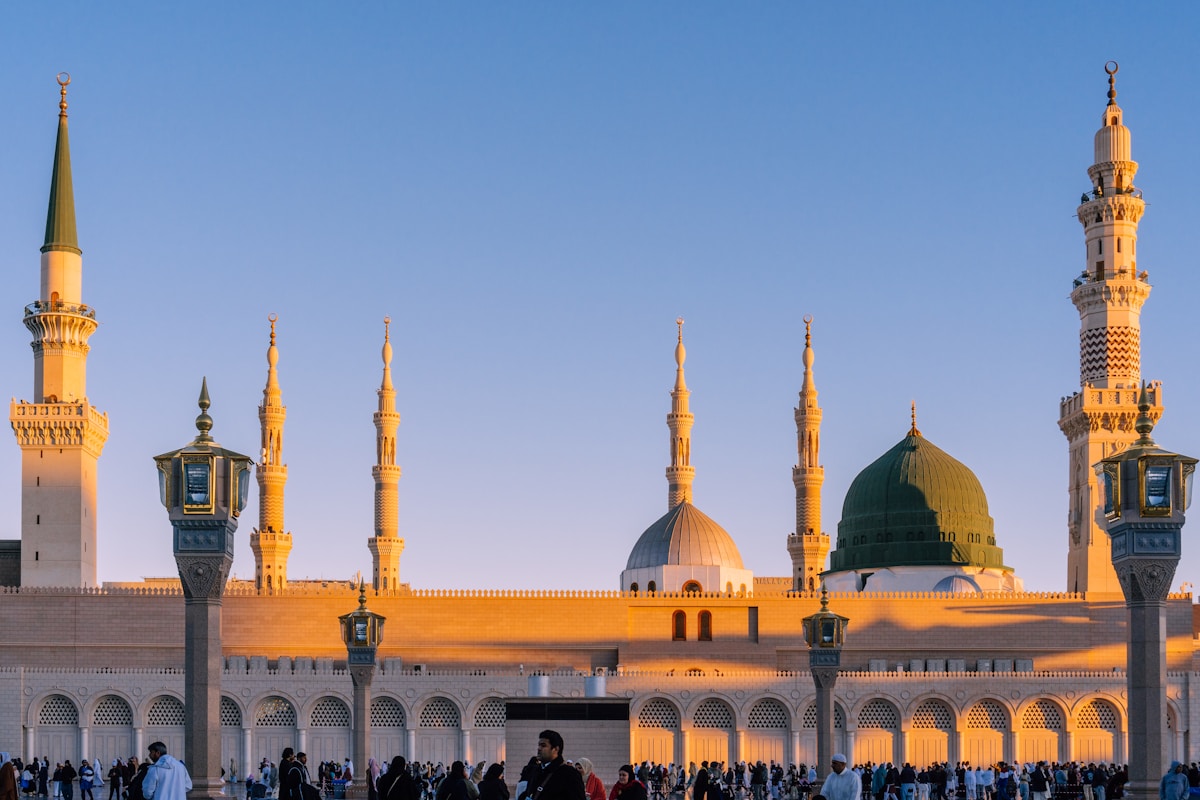
Dargah Ajmer Sharif (Sanctuary of Garib Nawaz)
Sultan-ul-Hind • Khwaja Garib Nawaz
Historical Overview & Significance
The sacred resting place of Hazrat Khwaja Moinuddin Hasan Chishti (RA), the pioneer of the Chishti Sufi order in the Indian Subcontinent, renowned for universal love, communal harmony, and feeding the destitute.
Detailed Historical Chronicle & Foundations
Associated Saints, Masters & Scholars
Khwaja Moinuddin Hasan Chishti
الخواجة معين الدين حسن الجشتي السجزي • خواجہ معین الدین حسن چشتی سنجری
Founding master of the Chishti order in India, known for the famous maxim: "Love towards all, malice towards none. Have the affection of the sun, the generosity of the river, and the hospitality of the earth."
Primary Classical Chronicles & Source Citations
Zero Inventions| Classical Work | Author / Compiler | Language | Verification Standard |
|---|---|---|---|
| Siyar al-Awliya (Biographies of the Saints)Chapter 2, pp. 45-72 | Sayyid Muhammad Mubarak Kirmani (Mir Khwurd) | Persian | Primary Classical Chronicle |
| Ain-i-AkbariVol. III, Account of Ajmer Subah | Abu al-Fazl ibn Mubarak | Persian | Primary Classical Chronicle |
Annual Urs of Khwaja Gharib Nawaz
Flag hoisting (Parcham Kushai) at the Buland Darwaza, ceremonial washing of the mazar with rosewater and sandalwood paste (Ghusl), nonstop Qawwali recitations, and mass cooking of sweet saffron rice (Kheer) in the historic big cauldron (Badi Deg) gifted by Emperor Akbar.
Visiting Guidelines & Adab
Sacred Etiquette:
- Head covering is strictly mandatory for both men and women (cap, rumaal, or scarf).
- Remove footwear at designated shoe stands before entering the inner marble courtyard.
- Maintain quiet reverence and recite Surah Al-Fatiha and Durood Sharif upon entering.
- Refrain from taking photographs or making mobile calls inside the inner sanctum (Gumbad Sharif).